

Selecting the appropriate power source for your automobile or bike is crucial for ensuring peak performance and dependability. With a variety of options available on the market, it can be overwhelming to determine which one actually suits your needs. Whether you are looking for a battery that provides superior cranking power, long life, or maintenance-free convenience, understanding the details can make all the distinction.
In this manual, we will examine the critical factors to evaluate when selecting your following battery. From understanding battery types to checking compatibility with your vehicle, our knowledgeable tips aim to equip you with the knowledge needed to reach an wise decision. yuasa battery get stuck with the incorrect choice; let's explore into what you should to know to find the ideal battery for your vehicle.
Types of Batteries
When picking a battery for your car or bike, it's important to comprehend the diverse types present on the market. The most popular types are lead-acid, AGM (Absorbent Glass Mat), and lithium ion batteries. Lead acid batteries are the conventional choice, offering a reliable and cost-effective solution. They are commonly utilized due to their robust functionality and power to deliver elevated initial power.
Absorbent Glass Mat batteries are a newer technology that has gained recognition in the past few years. These batteries are designed to handle prolonged discharge cycles and have a reduced risk of leaking compared to conventional lead-acid batteries. Absorbent Glass Mat batteries also excel in difficult situations, making them suitable for two-wheelers and cars that require high-performance functionality. Their low-maintenance characteristic adds to their desirability for many consumers.
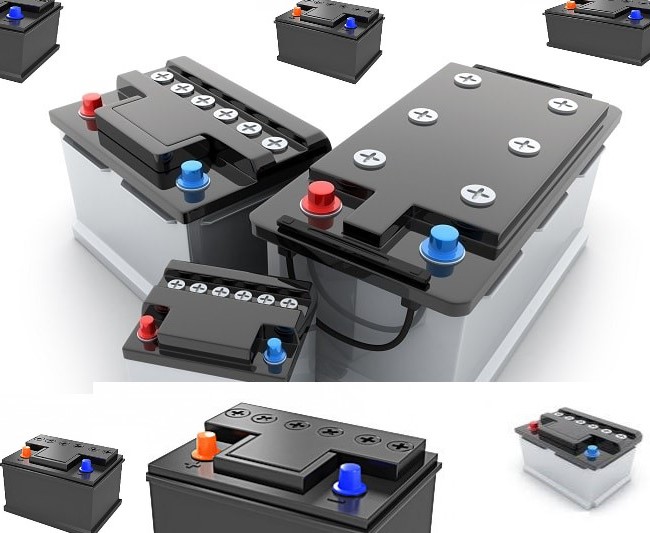
Lithium-ion batteries are becoming common due to their low weight and superior energy density. They provide extended lifetimes and speedier recharge times compared to conventional batteries. Although initially more costly, their enhanced longevity and efficiency can make them a valuable purchase in the extended term. Comprehending the attributes and advantages of each category will help you take an informed choice when selecting the most suitable power source for your specific situation.
Choosing the Appropriate Battery
As picking a battery for your automobile or bike, the first action is to understand the criteria needed for your vehicle. Distinct makes and models have diverse power requirements, so it’s essential to refer to your vehicle manual for the recommended battery size and kind. Be attention to the group size, which shows the power source's size and terminal layout, guaranteeing it is compatible properly in the designated battery tray.
Then, think about the power source's cold cranking amps, or CCA. This rating measures the battery's capability to start your engine in low temperatures. Increased CCA numbers are crucial for vehicles driven in low-temperature areas, as they offer more power to start the engine when needed most. It's essential to match the CCA with the mean temperatures in your region and your vehicle's individual requirements.
Lastly, assess the battery's longevity and warranty. Search for power sources that have a good reputation for reliability and endurance. A greater warranty usually signifies a producer's trust in their product. Investing in a high-quality power source will not only ensure better functionality but also provide assurance, reducing the likelihood of being stuck with a non-functioning battery.
Maintenance Advice for Durability
To ensure your battery endures as much you can, regular maintenance is crucial. Start by maintaining the connections clear and free from corrosion. Use a mixture of baking soda and water to softly scrub away any buildup. Rusty terminals can lead to weak connections and hinder the battery's performance. Always make sure to disconnect the negative terminal prior when cleaning to avoid any electrical shocks.
Another important aspect of battery maintenance is checking the electrolyte level if you have a conventional lead-acid battery. Check that the fluid is at the recommended level, as insufficient fluid can lead to excess heat and damage. If needed, top off the battery with distilled water, being cautious not to spill. This will help preserve optimal functioning and extend the battery's duration.
Lastly, regularly test your battery's charge and overall condition, especially before long trips. Many car stores provide free battery checkup services. Monitoring your battery's lifetime and performance can help you predict when it may need replacing, avoiding any unexpected breakdowns on the road. Taking these simple steps can significantly enhance your battery's longevity and dependability.